Locomotion
Walking, stair climbing, cycling commutes, and transit-related steps counted as daily transit activity.
Updated — Practical structures for organising locomotion, flexibility work, and recreational activity within your existing weekly schedule. Informational content only; not exercise prescription or health guidance.
Pace labels used on this page (gentle, moderate, vigorous) are organisational categories for scheduling purposes. They are not medical intensity measurements.
These categories help you diversify without needing specialised equipment or formal training environments.
Walking, stair climbing, cycling commutes, and transit-related steps counted as daily transit activity.
Stretching sequences, mobility drills, and range-of-motion activities performed at home or in parks.
Bodyweight exercises, carrying loads, gardening, and household tasks that engage major muscle groups.
A movement session does not require a fixed duration. Our frameworks use blocks of 10, 20, 30, or 45 minutes that you combine based on available time. A 20-minute block might include five minutes of preparation, twelve minutes of primary activity, and three minutes of cooldown.
This modular approach lets you maintain consistency even when your calendar shifts. Missing a 45-minute block does not invalidate the day — two 20-minute blocks serve a similar organisational purpose.
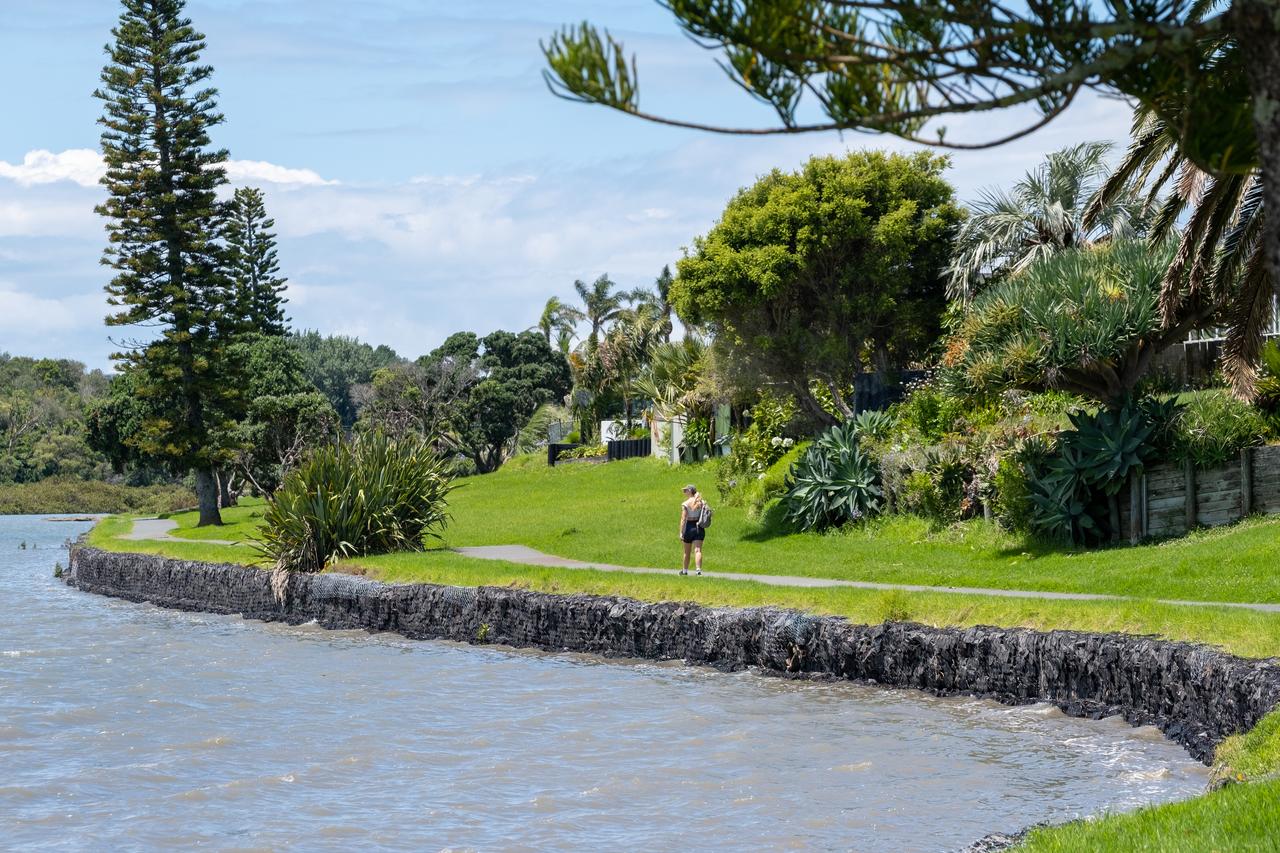
Auckland offers diverse environments for planned activity. Queen Street corridors suit brisk walking during lunch breaks. Western Springs and Cornwall Park provide open green space for longer sessions. Community centres host group activities for those who prefer social context.
Our planning templates tag each activity slot with an environment type so you can match plans to weather forecasts and personal preference on any given day.
Home circuits, office stairwells, covered walkways, and recreation centres during wet weather.
Harbour paths, volcanic cones, suburban footpaths, and regional park trails.
Walking groups, community sport introductions, and paired accountability sessions.
Self-paced routines, audio-guided sessions, and independent exploration walks.
We use a simple three-tier notation — gentle, moderate, and vigorous — purely as organisational labels. Gentle activities include slow walks and basic stretches. Moderate activities might involve brisk walking or sustained household tasks. Vigorous activities cover hill climbs, jogging intervals, or demanding garden work.
These labels help balance your week visually on the planning grid. They are scheduling aids only and do not correspond to clinical intensity measurements. Consult a qualified professional if you have questions about activity suitability for your personal circumstances.
A common planning mistake is clustering all vigorous-labelled activities into two days, leaving the remainder sedentary. Our frameworks suggest spreading varied pace labels so no single day bears disproportionate load.
The exact distribution depends on your self-assessed capacity and schedule. Planners are encouraged to start conservatively and expand only when the current pattern feels consistently manageable.
Earlier morning sessions avoid midday heat. Hydration reminders appear on planning templates. Outdoor water activities can replace indoor equivalents.
Indoor alternatives prepared in advance. Layered clothing notes on outdoor session cards. Shorter outdoor blocks with warm-up emphasis.
Spring and autumn hybrid plans with flexible indoor-outdoor toggles based on daily weather checks.
Our educational products include printable weekly grids, digital spreadsheets compatible with common calendar applications, and reflection journals for noting which sessions felt sustainable.
Each tool ships with written instructions explaining how to populate fields, interpret pace labels, and conduct a fortnightly review. No automated recommendations are generated — the tools are blank canvases for your own planning decisions.
Inquire About ToolsSeven-day view with morning, afternoon, and evening columns plus pace notation row.
Daily entry fields for duration, category, and environment type.
Fortnightly prompts for schedule adjustments and preference updates.
Content on this page describes ways to organise daily activity time slots. It does not recommend specific exercises, diagnose conditions, or suggest that any schedule will produce health or fitness outcomes. Powercrwristio is based at 206–218 Queen St, Auckland Central. For product pricing or consulting availability, visit our Contact page.
Visit our Progress page for journaling frameworks and review methods that complement these movement structures.